



Ask ten slot players what "96% RTP" means and you'll get ten different answers, most of them wrong. Some think it guarantees they'll get 96 euros back from every 100 they insert. Others believe it's a marketing lie invented by casinos. The truth sits somewhere in the middle, and understanding it properly is one of the few genuine edges you can have in a game built on pure chance.
RTP Is a Long-Run Average, Not a Promise
Return to Player is calculated over millions of spins, usually in a simulation run by the game's developer or an independent testing lab like eCOGRA or GLI. A 96% RTP means that across that enormous sample, the machine paid back 96 for every 100 wagered. It says nothing about your session. You could hit a 5,000x max win on spin three, or lose 400 spins in a row on a game with a 97% RTP. Both are entirely consistent with the math.
The number that actually matters for your bankroll is house edge, which is simply 100 minus RTP. A 96% slot has a 4% edge. A 94% slot has a 6% edge. Over a thousand spins at 1 euro each, that's a 40 euro versus 60 euro expected loss. Small percentages compound brutally.
Here's a comparison that surprises most people:
- Blackjack with basic strategy: roughly 0.5% house edge
- Baccarat banker bet: about 1.06%
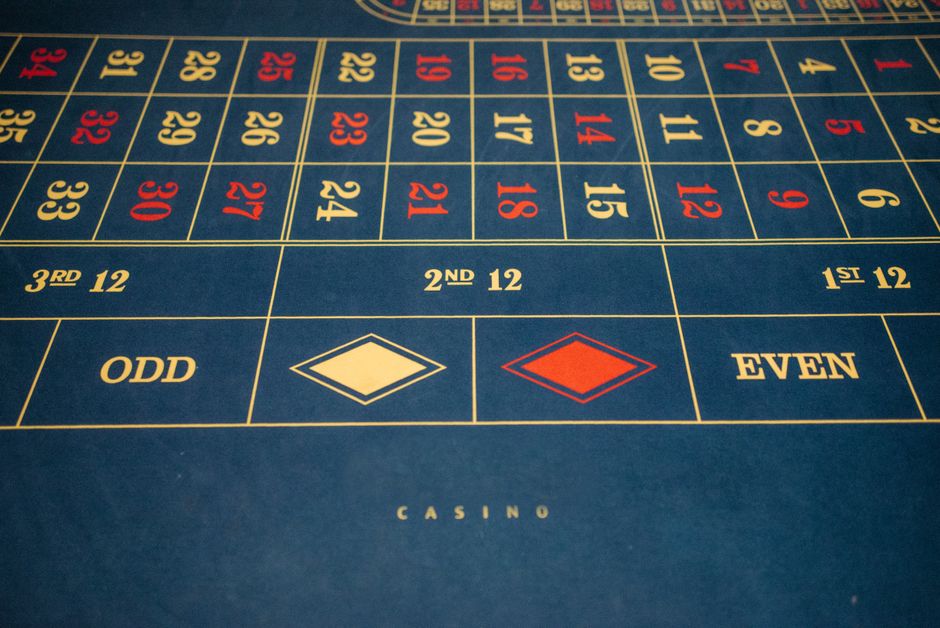
- European roulette: 2.7%
- Typical video slot: 3% to 6%
- Some jackpot slots: 8% to 15%
Put another way, grinding slots is roughly four to eight times more expensive per euro wagered than playing solid blackjack. That doesn't mean slots are bad — they're a different product with a different thrill profile. But pretending they're equivalent in cost is how bankrolls evaporate.
Volatility Is the Number Nobody Talks About
Two slots can both advertise 96% RTP and feel completely different. The hidden variable is volatility, sometimes called variance. It describes how the payouts are distributed.
A low-volatility slot pays small amounts frequently. You'll see lots of 2x and 5x wins. Your balance drifts slowly. Think classic three-reel fruit machines or games like Starburst.
A high-volatility slot pays rarely but can pay enormously. Games like Money Train or San Quentin can go 300 spins with almost nothing, then dump a 10,000x bonus. The RTP is identical, but the experience is not. Take a look at slot mahjong for a fuller picture.
Why this matters: if you sit at a high-volatility slot with a 50 euro bankroll and 1 euro spins, you'll likely bust before the game's bonus frequency kicks in. Match your bankroll to the volatility, not just the RTP.
A Working Rule for Slot Bankrolls
- Low volatility: 100x your bet minimum
- Medium volatility: 200x to 300x
- High volatility: 400x or more
On 1 euro spins, that means 400 euros for a high-volatility game if you want a realistic shot at triggering the bonus. Most players ignore this and then blame "rigged" machines.
Where Slots Get Genuinely Misunderstood
The randomness in modern slots comes from a Random Number Generator, an algorithm that produces a new outcome every millisecond whether anyone is spinning or not. Pulling the lever at exactly the right moment does nothing. Slot machines don't "heat up" or "go cold," and there's no cycle you can time.
What you can influence:
- Game choice — always check the RTP in the paytable. Some providers ship the same game with different RTPs (96%, 94%, 92%) depending on the casino's configuration.
- Bet sizing relative to bankroll — a session at 0.20 euro spins on a 100 euro bankroll gives you 500 spins of runway. At 2 euros, you get 50.
- Bonus features — free spins and deposit matches reduce effective cost, sometimes dramatically. A 100% match with a 30x wagering requirement on a 96% slot is worth roughly a few percent of EV in the player's favor at low wagering, though high wagering kills the value fast.
Slot RTPs are also published. Reputable casinos list them; less reputable ones sometimes don't. If a casino won't tell you the RTP of a game, that's information in itself.
Poker and Sports Betting: Different Skills, Different Costs
Slots are the purest form of casino gambling because there's no decision that changes the math. Poker and betting are the opposite.
In poker, the house takes a rake — typically 5% of the pot capped at a few euros in cash games, or around 10% of buy-ins in tournaments. That rake is your real cost, and it's why profitable poker players exist but profitable slot players don't. If you're better than the field, your edge can exceed the rake. In slots, no amount of skill changes the 4% edge.
Sports betting sits in between. A sharp bettor who beats the closing line consistently can run a positive expected value over time. The average recreational bettor cannot, and pays a 4% to 8% margin baked into the odds. Line shopping — comparing odds across multiple bookmakers — is the single easiest way to shave that margin down. Getting 2.05 instead of 2.00 on a coin-flip bet turns a losing proposition into a marginally winning one.
Quick Reality Check Across Formats
- Slots: no skill, house edge 3–15%, high entertainment value
- Roulette: no skill beyond bet selection, 2.7% European / 5.26% American
- Blackjack: skill matters, edge can drop below 0.5%
- Poker: skill dominant, rake is the cost of doing business
- Sports betting: skill matters at the margins, margin is 4–8% for casuals
The Honest Take
None of this is meant to scare you off slots. They're genuinely fun, they're engineered to be addictive in ways that poker and blackjack aren't, and the light-and-sound design is doing exactly what it was built to do. Knowing the math doesn't ruin the fun — it protects your bankroll so you can keep having it.
The players who last aren't the ones chasing RTP charts to the third decimal place. They're the ones who set a loss limit before they open the app, understand that variance is the price of admission for jackpot potential, and treat slots as entertainment with a cost, exactly like a cinema ticket or a night out. The casino isn't your enemy. The math is just the math. Respect it, size your bets accordingly, and the whole thing stays what it should be: a game.
Related posts
More stories you’ll love reading